Evaluating Continuous Line Design of Facial Assets for Modern Branding
In the saturated visual landscape of digital marketing and personal branding, clarity often outperforms complexity. This shift has propelled Continuous Line Design of Facial illustrations from niche artistic experiments into mainstream commercial utility. For professionals ranging from freelance graphic designers to small business owners, understanding the practical application of this aesthetic is no longer just an artistic preference—it is a strategic decision. The appeal lies in its reductionist approach: capturing the essence of human expression through a single, unbroken stroke. When executed correctly, these assets offer a blend of sophistication and minimalism that resonates with contemporary audiences seeking authenticity and calm.
The Aesthetic and Functional Core of Single-Line Art
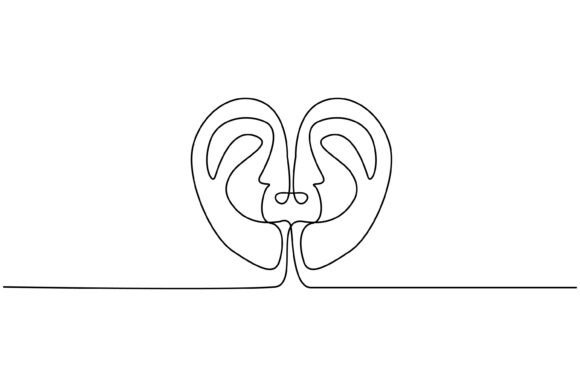
At its foundation, the continuous line technique relies on the artist’s ability to map facial contours without lifting the pen or breaking the digital path. This constraint creates a unique visual rhythm. Unlike traditional portraiture, which may rely on shading, color gradients, or intricate detailing to convey depth, single-line designs depend entirely on form and flow. The resulting image is often abstract yet instantly recognizable, leveraging the viewer’s brain to fill in the missing information. This psychological engagement makes the design memorable.
From a usability standpoint, the Continuous Line Design of Facial offers distinct advantages in versatility. Because the artwork is typically rendered as a decorative element drawn on white, it serves as a neutral canvas that can be overlaid on various backgrounds without clashing. Whether used in header images, social media posts, or printed collateral, the stark contrast of black lines against white space ensures high legibility. This simplicity reduces cognitive load for the viewer, allowing the surrounding text or primary message to take center stage while the illustration provides emotional context.
Technical Formats and Workflow Integration
For creators and marketers, the value of any digital asset is heavily determined by its technical flexibility. When acquiring or creating these designs, the file formats provided—specifically EPS, SVG, and JPG—play a critical role in how effectively the art can be deployed across different mediums.
- SVG (Scalable Vector Graphics): This is arguably the most valuable format for web-based projects. SVGs are resolution-independent, meaning they remain crisp on any screen size, from mobile devices to 4K monitors. For bloggers and web developers, SVGs allow for CSS manipulation, enabling changes to stroke width or color directly within the code without needing external editing software. This enhances site performance by keeping file sizes minimal.
- EPS (Encapsulated PostScript): Ideal for print professionals and agencies, EPS files preserve vector data for high-quality printing. Whether you are designing business cards, large-format banners, or packaging, EPS ensures that the continuous lines remain sharp and free of pixelation. This format is essential for maintaining brand consistency across physical and digital touchpoints.
- JPG (Joint Photographic Experts Group): While less flexible than vector formats, JPGs provide immediate usability for non-designers. Social media managers, educators, and content creators who need quick drag-and-drop functionality will find JPGs sufficient for standard digital use. However, users must be mindful of resolution limits to avoid blurriness when scaling.
The availability of all three formats in a single package significantly enhances the long-term value of the asset. It eliminates the need for costly conversions or hiring additional specialists to reformat files, streamlining the workflow for entrepreneurs and freelancers who manage multiple roles.
Spirituality and Mindfulness in Visual Communication
Beyond aesthetics, there is a growing intersection between Continuous Line Design of Facial and the concept of spirituality in branding. The "spirituality method" in design refers to the intentional creation of visuals that evoke calm, introspection, and human connection. In an era of digital noise, brands in the wellness, coaching, yoga, and mental health sectors are increasingly adopting this style to signal tranquility and mindfulness.
The unbroken line can be interpreted metaphorically as continuity, wholeness, and the interconnectedness of experience. For practitioners of holistic therapies or life coaches, using such imagery aligns their visual identity with their philosophical values. It suggests a narrative of flow rather than fragmentation. When a potential client sees a single-line face, they subconsciously register a sense of peace and simplicity. This emotional resonance is a powerful tool for building trust and rapport, particularly in industries where the service provider’s empathy and stability are key selling points.
Practical Applications Across Industries
The adaptability of single-line facial art makes it suitable for a diverse range of professional contexts. Understanding where these assets perform best can help businesses maximize their return on investment.
- Beauty and Skincare: Brands focusing on natural ingredients or minimalist routines benefit from the clean lines that mirror the purity of their products. The art avoids the hyper-realistic perfection of traditional beauty ads, offering a more relatable and inclusive representation of human features.
- Corporate and Professional Services: Consultants, lawyers, and financial advisors can use these designs to soften their brand image. Adding a touch of artistic elegance to reports, presentations, or LinkedIn headers can make a firm appear approachable and modern without sacrificing professionalism.
- Education and Publishing: Educators and authors often use continuous line drawings as chapter headers or section dividers. The simplicity ensures that the art does not distract from the educational content, while still adding a layer of visual interest that breaks up text-heavy layouts.
- Lifestyle Blogging and Influencer Marketing: Content creators looking to establish a cohesive Instagram feed or blog aesthetic find these elements invaluable. They serve as excellent templates for quotes, announcements, or story highlights, providing a consistent visual thread that strengthens brand recognition.
Evaluating Quality and Consistency
Not all continuous line designs are created equal. When selecting assets, professionals should evaluate the quality of the line work. A successful design maintains a consistent stroke weight unless variation is intentionally used for expressive purposes. Jagged edges, uneven curves, or awkward intersections can detract from the perceived professionalism of the brand. High-quality Continuous Line Design of Facial assets demonstrate a mastery of anatomy, ensuring that even in abstraction, the proportions feel balanced and natural.
Consistency is another critical factor. If a brand uses multiple line art pieces, they should share a similar stylistic language. Mixing thick, bold lines with delicate, thin strokes can create visual dissonance. Therefore, sourcing collections or working with designers who understand the importance of a unified visual system is advisable. The reliability of the asset provider also matters; ensuring that files are properly layered and labeled saves time during the design process.
Limitations and Strategic Considerations
While versatile, this design style is not a universal solution. Its minimalist nature means it lacks the detailed informational capacity of photographic or complex illustrative styles. For products that require detailed demonstration or brands that rely on high-energy, vibrant visuals, continuous line art may feel too subdued. Additionally, because the style has gained popularity, there is a risk of overuse. To maintain distinctiveness, businesses should consider customizing these assets—perhaps by integrating brand colors subtly or combining them with unique typography.
Furthermore, accessibility must be considered. When placing black lines on colored backgrounds, sufficient contrast must be maintained for visually impaired users. Designers should test their implementations to ensure compliance with web accessibility standards.
Final Thoughts on Long-Term Value
Investing in high-quality Continuous Line Design of Facial resources offers substantial long-term value for modern creatives and businesses. The combination of aesthetic elegance, technical flexibility via EPS, SVG, and JPG formats, and emotional resonance makes these assets a pragmatic choice for diverse applications. By understanding the strengths and limitations of this style, professionals can leverage it to enhance their visual communication, fostering a brand identity that is both sophisticated and deeply human. Whether for a startup launching its first website or an established enterprise refreshing its look, the continuous line approach provides a timeless foundation for visual storytelling.